

Sustainable travel isn't only about reducing environmental impact. It's also about supporting the people and businesses that make a destination unique. At SloWays, we prioritise locally owned accommodation, independent producers and local service providers wherever possible, helping tourism benefit the communities we visit while preserving the character, traditions and identity of each place.
If you’re looking for inspiration for your next Camino, or want help choosing the itinerary that best matches your needs,
take our quiz at the link below!
When we think about sustainable travel, certain images immediately come to mind: walking instead of driving, travelling through nature, carrying a reusable water bottle or choosing a holiday with a lighter environmental footprint.
All important choices. But there's another side of sustainability that deserves just as much attention.
Think about the little hotel where you're welcomed after a long day of walking. The family-run restaurant serving recipes passed down through generations. The local driver who knows every bend in the road, or the small producer whose products tell the story of the surrounding countryside.
These people are more than a pleasant addition to your journey. They're part of what makes a destination itself.
And the choices we make about whom to work with can influence how the benefits of tourism are shared.
At SloWays, we believe that responsible travel begins long before a traveller sets foot on the trail. It begins with the people and businesses we choose to work with.
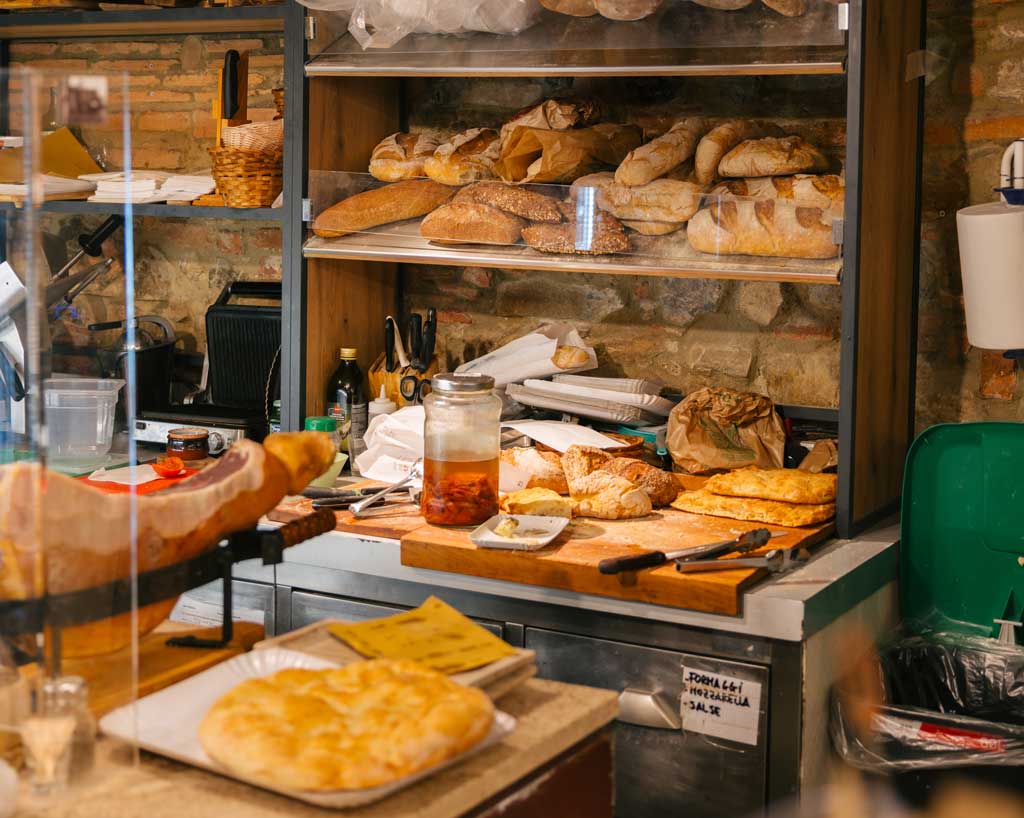
Every journey generates economic activity.
Travellers need somewhere to sleep, places to eat, transport services and opportunities to discover local products and traditions.
But where does the money spent on these services actually go?
When tourism relies heavily on large international chains and businesses with little connection to a destination, a significant share of the economic benefits may flow elsewhere.
Working with locally owned businesses creates more opportunities for tourism spending to circulate within the communities travellers visit.
A family-run hotel may purchase ingredients from nearby farmers, employ local residents and work with other small businesses. An independent restaurant may support regional food producers, while a local transport provider contributes to the area's economy.
The benefits can extend beyond an individual booking.
That's why we prioritise local businesses and independent providers wherever possible, rather than automatically turning to large international operators.
It's a choice that reflects the kind of tourism we want to encourage: one that creates value for the places welcoming us.
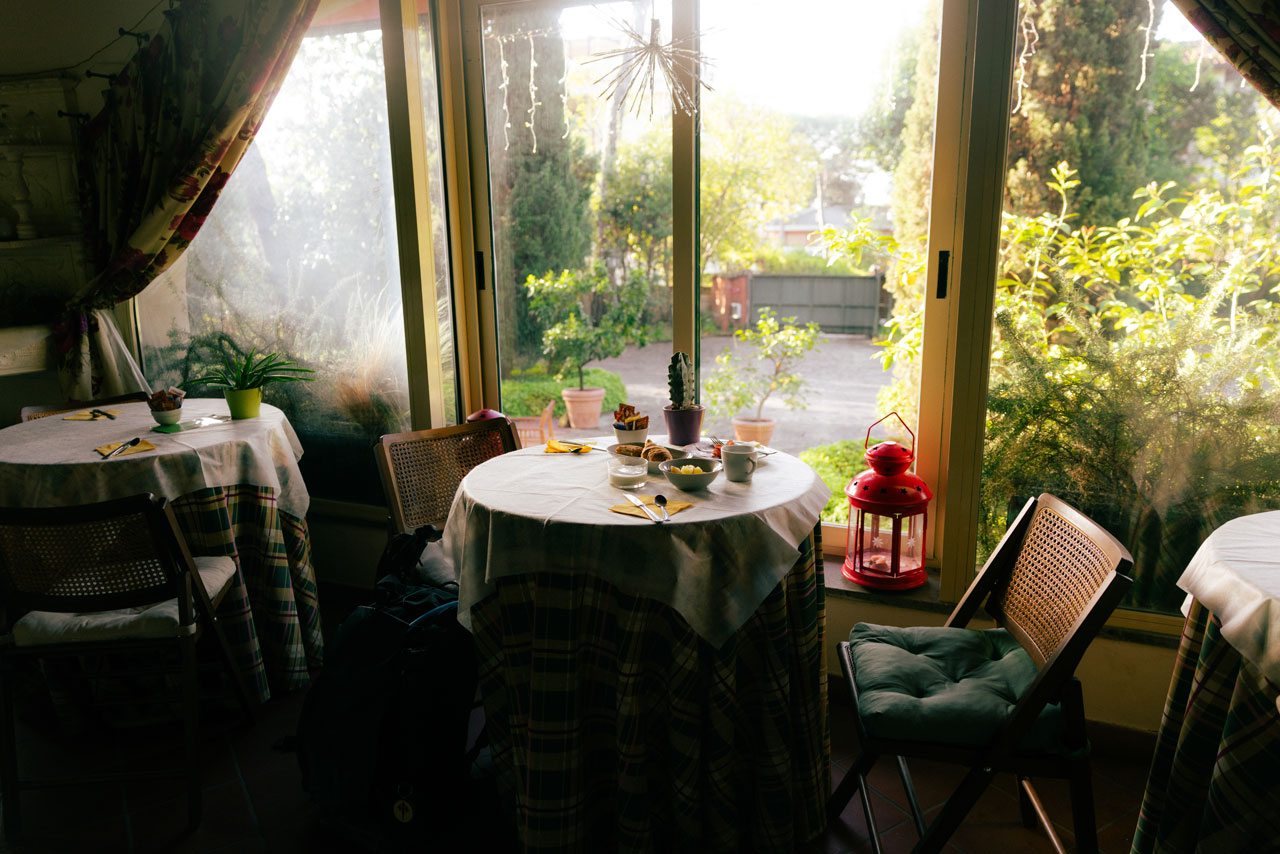
After a day on the trail, accommodation becomes much more than somewhere to sleep.
It's where you rest, recover and begin to feel connected to the place you've reached.
And sometimes, the smallest details make the greatest impression.
A breakfast prepared with regional ingredients. A recommendation from someone who has lived in the village all their life. A building that has belonged to the same family for generations.
These experiences can offer something that standardised hospitality doesn't always provide: a genuine sense of place.
When selecting accommodation for our walking holidays, we value properties that reflect the character of their surroundings and contribute to the local economy.
Wherever possible, we favour independent hotels, family-run guesthouses and smaller establishments with strong connections to their communities.
This isn't simply a question of atmosphere.
Supporting these businesses can help sustain local employment, encourage the continuation of family enterprises and contribute to the economic vitality of smaller destinations, including rural areas where tourism may represent an important source of income.
For travellers, it can also mean a warmer, more personal introduction to the places they're exploring.

A destination's identity is shaped by much more than its landscapes and monuments.
It's also found in its food, agricultural practices, traditional skills and everyday customs.
Consider a region known for a particular cheese, a distinctive variety of olive oil or a craft technique that has been practised for centuries.
These aren't simply products to be consumed or souvenirs to take home.
They represent knowledge, relationships and ways of life that have developed in response to a particular landscape.
When local producers and artisans can continue earning a living from their work, there's a greater opportunity for these traditions to remain part of everyday life.
That's why we believe that supporting local production is an important part of responsible tourism.
Through the partners we choose and the experiences we encourage, we aim to create opportunities for travellers to discover the people and practices behind a destination's identity.
It might be a regional speciality served at dinner, a locally made product encountered along the route or a conversation that reveals how a community has shaped its surroundings.
Sustainable travel isn't only about protecting what a place looks like. It's also about helping preserve what makes it culturally distinctive.
Every destination has its own character.
The particular rhythm of a village square. The relationship between agriculture and landscape. The recipes, gestures, customs and small businesses that give a community its identity.
Together, these elements create what is sometimes called the genius loci: the spirit of a place.
It's something difficult to define, but often immediately recognisable when we travel.
And it's also something that tourism can influence.
When destinations begin adapting exclusively to visitors' expectations, they risk losing some of the qualities that made them distinctive in the first place.
Familiar international brands can gradually replace independent shops. Local food traditions may give way to standardised menus. Everyday places can become spaces designed primarily for visitors.
Tourism alone doesn't determine these changes, but the choices made by travellers and travel organisers can play a role.
At SloWays, we want our journeys to encourage encounters with places as they are, rather than presenting every destination through the same familiar experiences.
Working with local partners is part of that commitment.
It helps us offer journeys rooted in the character of each region, while supporting some of the people and businesses who keep that character alive.
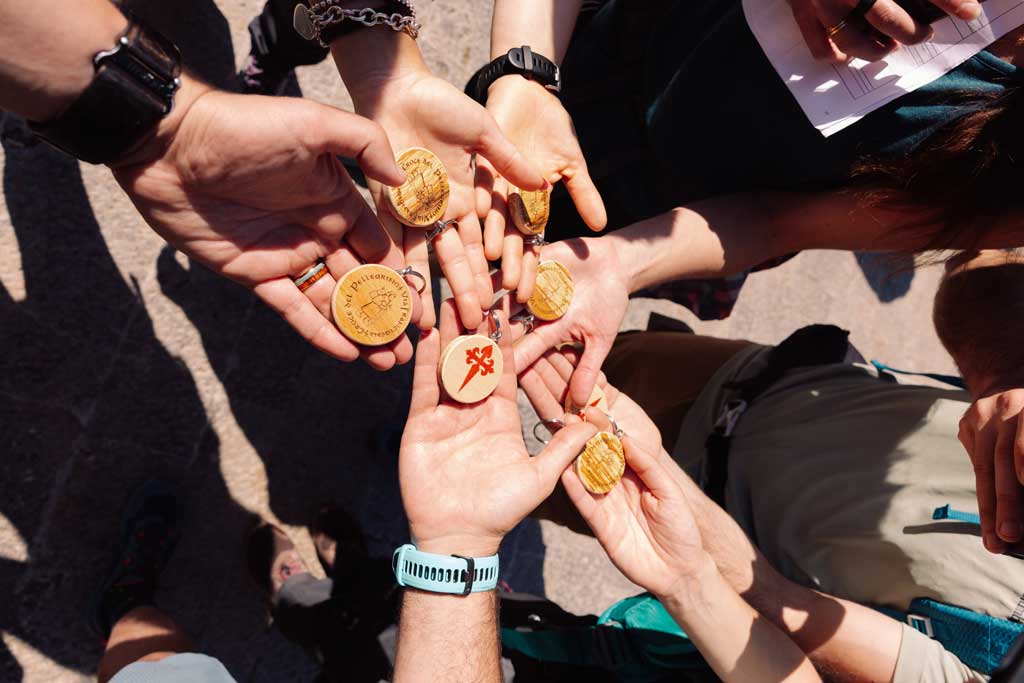
Supporting local economies isn't simply about choosing local suppliers.
It's also about how we work with them.
A sustainable tourism model should create value not only for travellers and travel organisers, but also for the people providing services on the ground.
That means recognising the work involved in hospitality, transport, guiding and other activities that make a journey possible.
At SloWays, we're committed to building respectful, long-term relationships with our partners and working towards fair conditions for the services they provide.
We believe that cooperation should be based on clear expectations, professional respect and an understanding of the realities faced by local businesses.
This is particularly important when working with smaller, independent operators, whose resources and negotiating power may differ considerably from those of larger companies.
Our aim is to develop partnerships that are sustainable for the businesses involved, not simply convenient for us.
Because responsible travel cannot be separated from the wellbeing of the people who make it possible.
Travelling on foot offers a particularly interesting opportunity to connect with local economies.
Unlike journeys focused exclusively on major attractions or large tourism centres, walking itineraries often pass through smaller towns, villages and rural communities.
Along the way, travellers may stop at local cafés, purchase food from village shops, discover regional products and stay in accommodation connected to the surrounding area.
These everyday interactions matter.
They create opportunities for tourism spending to reach places that might otherwise receive less attention, while encouraging travellers to experience destinations beyond their most familiar landmarks.
Of course, walking doesn't automatically make every aspect of a holiday sustainable.
The environmental impact of transport, the management of local resources and the conditions under which tourism services are provided all deserve consideration.
But when walking holidays are thoughtfully designed and supported by responsible local partnerships, they can contribute to a more balanced relationship between visitors and destinations.
And there's another advantage to exploring on foot.
Walking encourages us to notice the connections between people, landscapes and livelihoods.
The vineyards aren't simply a beautiful backdrop. They're someone's workplace. The stone walls crossing the countryside reflect generations of agricultural knowledge. The village shop is part of a community's everyday life.
The more closely we look, the easier it becomes to understand why these places deserve our care and respect.
The choices made by travel organisers are important, but travellers also have a role to play.
And contributing to a destination doesn't necessarily require grand gestures.
Sometimes, it's the small decisions that matter most.
These choices won't solve every challenge associated with tourism.
But they can help make travelling a more thoughtful exchange between visitors and the communities welcoming them.
A walking holiday may begin with the desire to discover beautiful landscapes, explore unfamiliar regions or spend a few days away from everyday routines.
But behind every journey is a network of people whose work deserves to be seen and valued.
The families welcoming travellers into their hotels. The producers preserving regional knowledge. The independent businesses contributing to the life of their communities.
At SloWays, we believe that these relationships are an essential part of what makes travel meaningful.
That's why we strive to work with local businesses, build fair partnerships and create walking holidays that respect the places and people involved.
Because the value of a journey shouldn't end with the traveller. It should also reach the communities that make the experience possible.
And perhaps that's one of the most rewarding things about travelling slowly: discovering that the places we love aren't simply destinations to visit, but communities to appreciate, support and help preserve.
Discover a more meaningful way to travel. Explore our self-guided walking holidays and find a journey that brings you closer to the places and people you encounter.
Written by the SloWays Team
 Nominee Best Specialist Tour Operator 2026


