

When you set off on a self-guided walking holiday, much of the experience feels wonderfully simple. You follow a path through the countryside, stop whenever something catches your attention and arrive at your next accommodation knowing that the practical arrangements have already been taken care of.
Yet behind that apparent simplicity lies a considerable amount of planning. A walking holiday needs to bring together suitable trails, carefully chosen accommodation, reliable local services and the information travellers need to explore independently. Each element has to work in relation to the others, particularly when the itinerary takes you somewhere new every day.
At SloWays, this work begins long before a traveller makes a booking. Our itineraries are developed around the experience of travelling on foot, drawing on years of route research, local knowledge and an understanding of what makes a multi-day journey both enjoyable and practical.
So what goes into creating a self-guided walking holiday, and how does all that preparation shape the experience you'll have on the trail?
If you’re looking for inspiration for your next Camino, or want help choosing the itinerary that best matches your needs,
take our quiz at the link below!
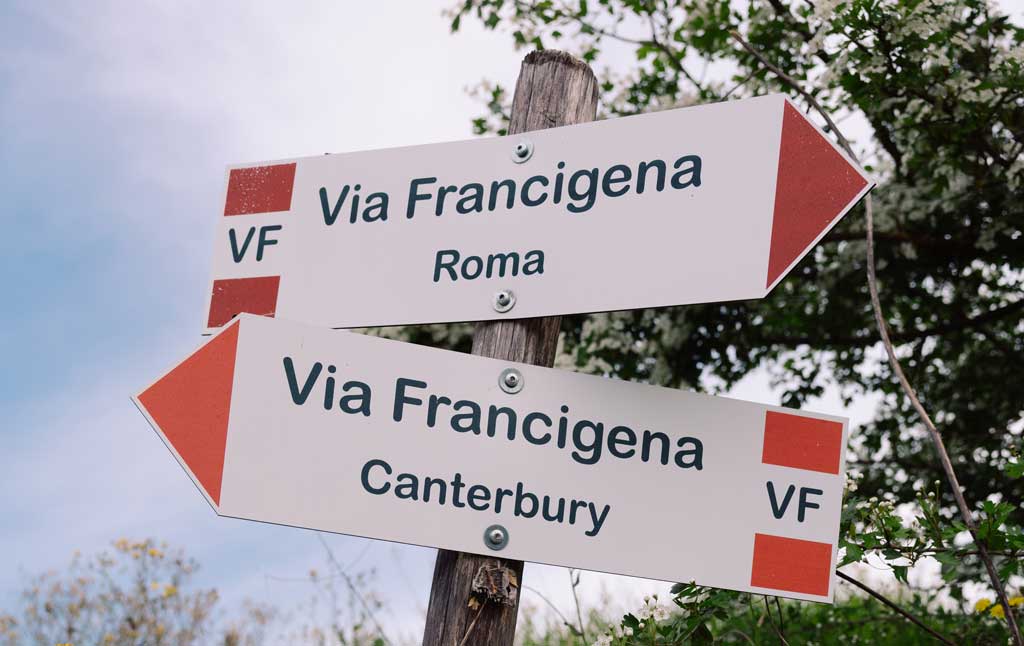
Every walking holiday begins with a fundamental question: how can a destination be experienced meaningfully on foot?
A beautiful landscape is an excellent starting point, but it isn't enough on its own to create a successful multi-day itinerary. The route needs to offer a satisfying progression from one place to another, with walking stages that make sense in terms of distance, difficulty and the opportunities to discover the surrounding area.
A trail might cross remarkable scenery but include sections that are unsuitable for a particular type of traveller, while another route might offer a more rewarding experience by connecting villages, cultural landmarks and quieter landscapes.
Designing a walking holiday therefore involves considering the journey as a whole, rather than simply identifying a collection of attractive paths.

One of the defining aspects of SloWays' approach is that our team scouts and walks the itineraries we offer.
This firsthand experience helps us understand the characteristics of a route beyond what can be learned from a map. Walking a trail reveals how the terrain feels underfoot, how demanding a particular ascent might be and whether the daily distances allow enough time to appreciate the places along the way.
It also provides a better understanding of the practical details that influence a walking holiday, from the location of villages and accommodation to the connections between individual stages.
SloWays is part of an international network with more than twenty years of experience designing active holidays, and this knowledge contributes to the development of walking itineraries across Italy and Europe.
The aim is to create journeys that are enjoyable as complete experiences, rather than simply attractive collections of walking routes.
Different travellers look for different things from a walking holiday. Some enjoy longer days covering substantial distances, while others prefer a gentler pace that leaves more time for exploring historic towns, visiting cultural sites or enjoying the local food.
A well-designed itinerary needs to take these differences into account, providing clear information about the level of difficulty and the experience travellers can expect.
Terrain is particularly important. A relatively short walk with significant elevation gain can be more demanding than a longer stage across flat countryside, while rocky mountain paths require different preparation from well-established rural trails.
By considering these characteristics during the design process, SloWays can help travellers choose holidays that suit their interests, fitness and preferred way of exploring.
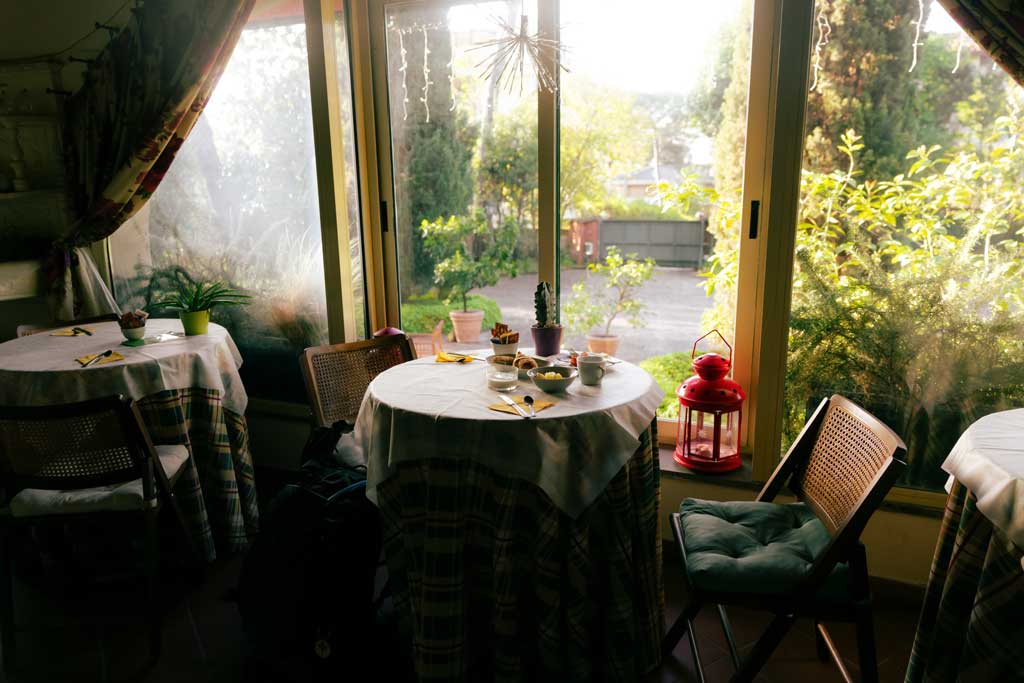
Accommodation is one of the most important elements of a multi-day walking holiday, not only because it provides somewhere to rest, but because each overnight stop forms part of the route.
In a traditional holiday, you might choose a hotel as a base and organise your activities around it. On an itinerant journey, the relationship works in the opposite direction: the accommodation needs to fit the walking stages, allowing you to move comfortably from one destination to the next.
This becomes particularly important in rural areas, mountain regions and smaller villages, where suitable properties may be limited.
SloWays generally works with small hotels, B&Bs and agriturismi, selecting accommodation for its hospitality, local character and convenient position along the itinerary.
The places where you stay can influence how you experience a destination. A family-run guesthouse might introduce you to the traditions of a village, while an agriturismo can offer a closer connection to the surrounding countryside and its agricultural heritage.
After a day spent walking, a welcoming atmosphere and a comfortable place to rest are also important parts of the experience.
For these reasons, accommodation is considered as part of the overall journey rather than as a service chosen independently from the route.
The exact type of property varies according to the destination and itinerary, and some journeys may include different accommodation categories or mountain huts where the available facilities reflect the location.
A property can be beautiful and welcoming without necessarily being suitable for a walking itinerary.
If reaching it involves a lengthy detour, an additional transfer or a significant increase in the day's walking distance, the experience may become less comfortable than originally intended.
The relationship between accommodation and the trail is therefore an important consideration when designing a multi-day journey.
It's also one of the reasons why booking ahead can be particularly useful. Many of the properties selected for walking holidays have relatively few rooms, and availability may become limited during popular travel periods.
Having more options makes it easier to preserve the balance between the route, the overnight stops and the overall experience.
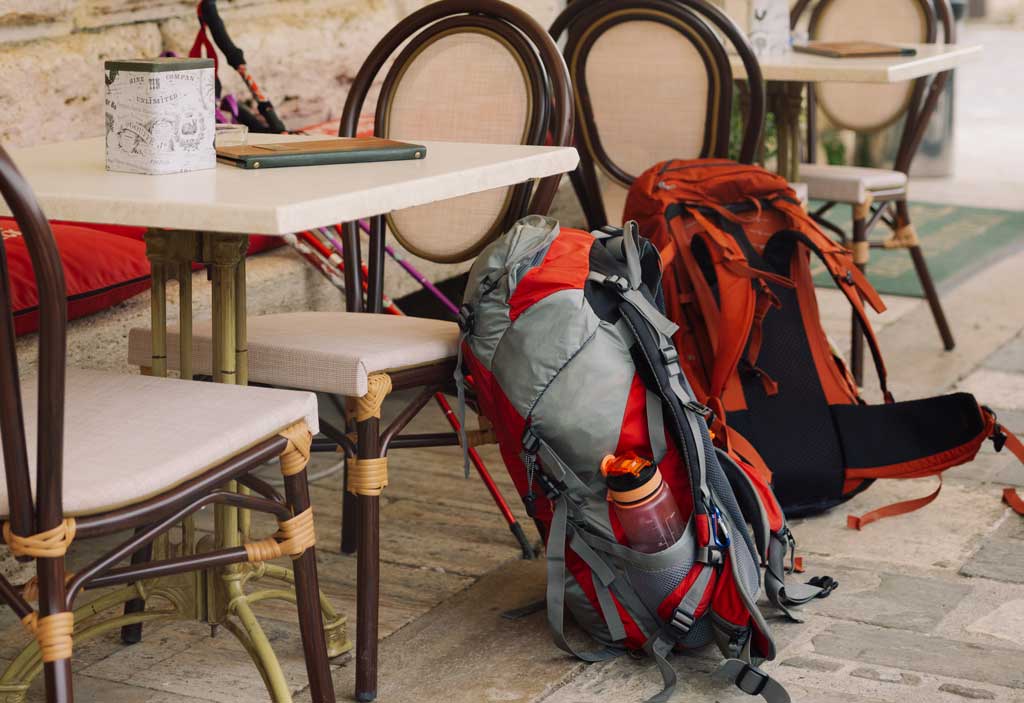
One of the greatest pleasures of a self-guided walking holiday is being able to travel at your own pace, without following a guide or the schedule of an organised group.
You can leave after breakfast, stop to admire a view or spend extra time exploring a village, knowing that the main arrangements for the journey have already been organised.
That independence is made possible by a combination of practical services that need to work together throughout the trip.
For many travellers, luggage transfer is one of the most appreciated features of a self-guided walking holiday.
Rather than carrying everything you need for an entire trip, you can leave your main bag at your accommodation in the morning and continue walking with a smaller daypack containing the essentials.
On most SloWays itineraries, a local transport partner transfers your luggage to the next accommodation, where it will be waiting for you later in the day.
This makes multi-day walking more accessible and comfortable, particularly for travellers who enjoy exploring on foot but don't want to carry a heavy backpack over several consecutive stages.
The service requires coordination between accommodation providers and transport partners, and the arrangements may differ according to the destination. Some mountain or backpacking-style itineraries, for example, have specific limitations, so it's always important to check the services included in your chosen holiday.
Some itineraries also require additional transport arrangements, particularly when a walking stage begins away from the accommodation or when public transport connections are limited.
Depending on the trip, transfers may be included or available as an additional service, helping travellers reach the appropriate starting point or connect different parts of the itinerary.
These arrangements are especially relevant in destinations where the most rewarding walking routes don't always begin or end near a railway station or a larger town.
The objective is to make the practical elements of the journey work around the walking experience, allowing travellers to concentrate on discovering the destination.
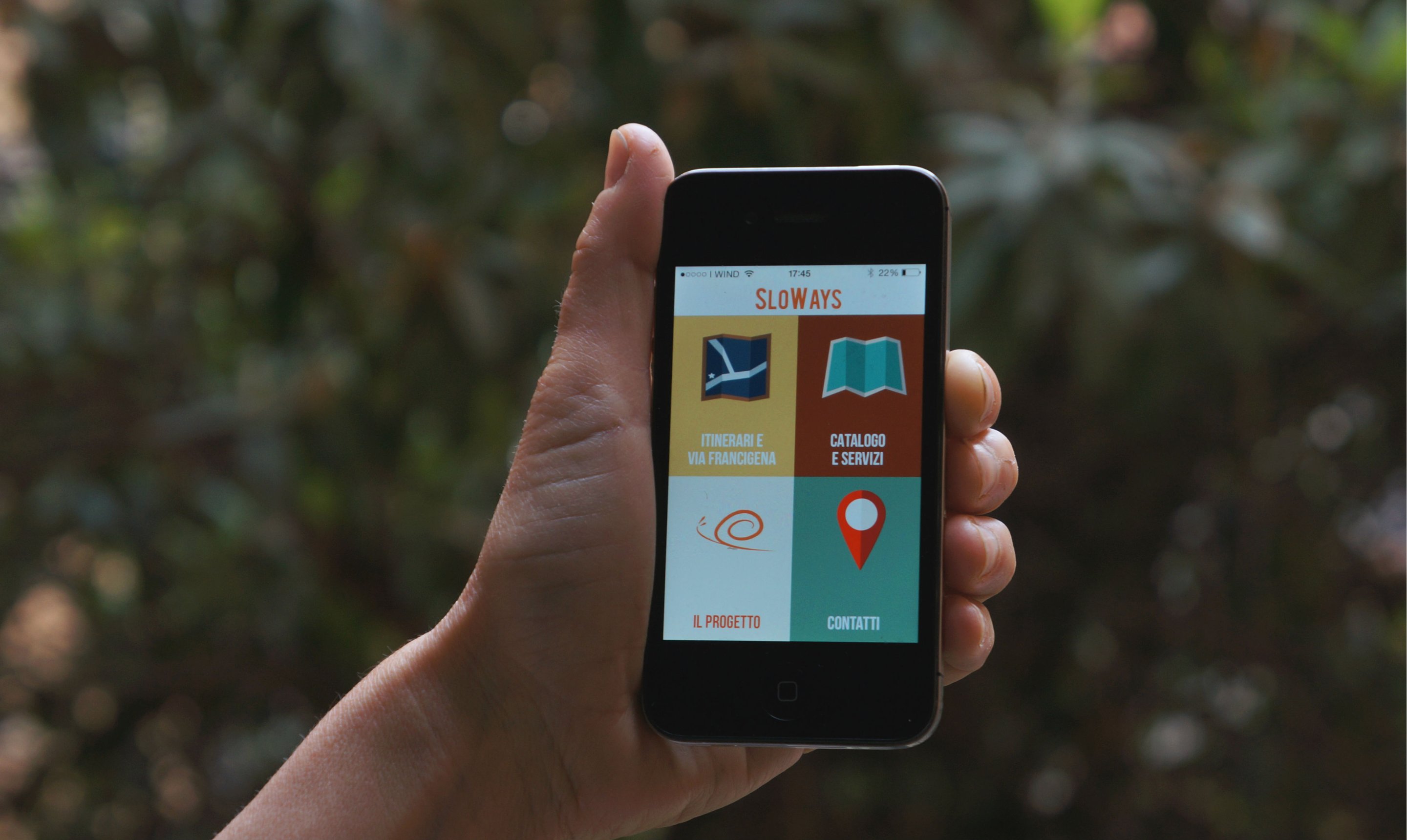
A self-guided holiday offers freedom, but that freedom depends on having clear and reliable information.
Without a guide accompanying the group, travellers need to understand where they're going, what to expect from each stage and how to navigate the route confidently.
This is why travel documentation and navigation tools are an essential part of the experience.
SloWays provides detailed travel documentation and navigation resources to help travellers follow their chosen itinerary.
These include route information and access to a dedicated mobile app, which can also be used offline, allowing travellers to consult navigation materials even when an internet connection isn't available.
The ability to navigate independently is particularly valuable in rural and mountain areas, where mobile reception may be inconsistent and signposting can vary between routes.
Good preparation doesn't remove the need to pay attention to the trail or to changing weather conditions, but it provides a useful foundation for exploring with greater confidence.
Travelling independently doesn't mean being entirely on your own.
SloWays provides assistance during the holiday, including telephone support for travellers who encounter difficulties along the way.
This combination of independence and practical support is one of the main reasons people choose a self-guided walking holiday rather than organising every element themselves.
You retain the freedom to decide how to experience each day, while knowing that assistance is available if an unexpected situation arises.

A walking holiday depends on more than the work of a tour operator. Along the route, a network of local businesses and service providers contributes to making the experience possible.
Accommodation owners, transport providers and other local partners play an important role in welcoming travellers and supporting the practical organisation of their journeys.
These relationships are particularly significant in smaller communities, where tourism often involves independent businesses rather than large hospitality organisations.
By working with local accommodation and service providers, SloWays helps connect travellers with the communities they visit.
This approach can also contribute to a more locally rooted travel experience, particularly when accommodation reflects the traditions and character of the surrounding area.
For travellers, these encounters often become some of the most memorable aspects of a walking holiday. A conversation with a guesthouse owner, a recommendation for a local restaurant or an introduction to a regional tradition can offer a perspective on a destination that goes beyond its landscapes.
For local businesses, walking tourism can create opportunities connected to hospitality and services, although the benefits naturally depend on how tourism is managed and distributed.
Advance booking can be valuable for these local partners, especially in destinations where visitor numbers vary considerably throughout the year.
Knowing about reservations ahead of time gives accommodation providers and transport services more opportunity to organise their activities, coordinate resources and prepare for guests.
It can also help SloWays work more effectively with the businesses involved in each itinerary.
While booking early doesn't automatically make a holiday sustainable, thoughtful organisation and long-term relationships with local providers can support a more considered approach to tourism.
Walking is a particularly rewarding way to experience a destination because it encourages travellers to move through the landscape at a slower pace and pay attention to the places they encounter.
It also creates opportunities to discover smaller communities, spend time in locally owned accommodation and explore areas beyond the busiest tourist attractions.
However, responsible travel involves more than choosing to walk.
The way itineraries are designed, the businesses involved and the environmental impact of the journey all deserve consideration.
SloWays is Travelife Certified and participates in initiatives supporting more responsible tourism, including work with local communities and environmental projects.
These commitments form part of a broader approach to developing walking holidays that consider the destinations and people involved, as well as the experience of the traveller.
For those interested in understanding this aspect of the company's work in greater detail, the SloWays website provides information about its sustainability commitments and initiatives.
Although SloWays itineraries are carefully designed in advance, self-guided travel offers a degree of flexibility that can make the experience particularly appealing.
Depending on the route and the available services, it may be possible to adapt certain aspects of a journey, such as shortening walking stages, choosing a different starting point or adding extra nights.
This can be useful for travellers who prefer a more relaxed pace, have specific interests or want to combine their walking holiday with additional time in a destination.
For example, you might decide to spend an extra day exploring a historic town, allow more time for a particular section of a pilgrimage route or adjust an itinerary to better suit your walking experience.
Not every change is possible on every trip, and some routes have practical limitations connected to accommodation, transport or terrain. However, discussing your preferences with the SloWays team can help you understand which options are available.
The aim is to find a balance between the structure of a carefully organised itinerary and the personal freedom that makes self-guided travel so rewarding.
SloWays states that its itineraries are scouted and walked by the team, drawing on extensive experience in developing walking and cycling holidays. This firsthand knowledge helps inform route design and the information provided to travellers.
Accommodation is selected with attention to location, hospitality, local character and suitability for the itinerary. SloWays generally uses small hotels, B&Bs and agriturismi, although the type of property varies according to the destination and route.
Luggage transfer is included on most SloWays self-guided itineraries, although exceptions may apply, particularly on some mountain or backpacking-style routes. Always consult the individual trip page for the exact services included.
Yes. On a self-guided holiday, you walk independently using the route information and navigation resources provided. SloWays offers detailed documentation and a dedicated app with offline functionality to help you follow the itinerary.
Some itineraries allow adjustments, such as additional nights or changes to walking stages, depending on the route and availability. Contacting the SloWays team is the best way to understand which options are possible for your chosen holiday.
Yes. SloWays provides telephone assistance during its holidays, so travellers can request support if they encounter difficulties while travelling independently.
A well-organised walking holiday allows you to concentrate on the experience of travelling on foot, from discovering unfamiliar landscapes to enjoying the everyday encounters that make a destination memorable.
Behind that freedom lies the work of designing suitable routes, selecting accommodation, coordinating local services and providing the information needed to travel independently.
These arrangements may not be the first things you think about when imagining your next adventure, but they contribute to making the journey comfortable, practical and rewarding.
At SloWays, the purpose of this preparation is to give travellers the opportunity to discover places at their own pace, supported by the experience and organisation of a team that knows what travelling on foot involves.
Explore our self-guided walking holidays and discover the journeys we've designed for you.
Written by the SloWays Team
 Nominee Best Specialist Tour Operator 2026


