

A walking holiday is more than a journey through beautiful landscapes. Travelling on foot invites you to slow down, embrace unfamiliar experiences and connect with the places and people you encounter. By letting go of expectations and remaining open to the unexpected, you may discover that the most meaningful part of a journey is how it changes you.
If you’re looking for inspiration for your next Camino, or want help choosing the itinerary that best matches your needs,
take our quiz at the link below!
Before every journey, we carry an invisible collection of expectations.
Places we want to see, photographs we've admired, experiences we've imagined having. Sometimes, without even realising it, we begin travelling long before we leave home, constructing a version of our destination in our minds.
And then we arrive.
The village is quieter than we imagined. The weather is different. A conversation takes an unexpected turn. We discover that the place we thought we knew has an entirely different story to tell.
These moments can feel like interruptions to our plans. But what if they're actually the most valuable part of travelling?
At SloWays, we believe that travelling is not simply about discovering somewhere new. It's also about allowing somewhere new to leave its mark on us.
And walking, perhaps more than any other way of travelling, gives us the time and space to let that happen.
There's a certain comfort in knowing exactly what to expect from a journey.
We research destinations, read reviews, save recommendations and plan our days around the things we don't want to miss.
Preparation is important, of course. It's also part of what we take care of at SloWays, designing itineraries and organising the practical details so you can travel with confidence.
But there's a difference between having a well-organised journey and trying to control every moment of it.
When you're walking, unexpected discoveries are often the ones that stay with you.
A small village you hadn't paid much attention to on the map. A conversation with someone sitting outside their home. A little church whose door happens to be open. An afternoon when you decide to stop for longer simply because you like where you are.
These experiences don't always make it into an itinerary. And that's precisely what makes them special.
A thought from the SloWays team: Don't feel you have to fill every free moment. Sometimes, the most memorable part of a journey begins when you stop looking for something to do.
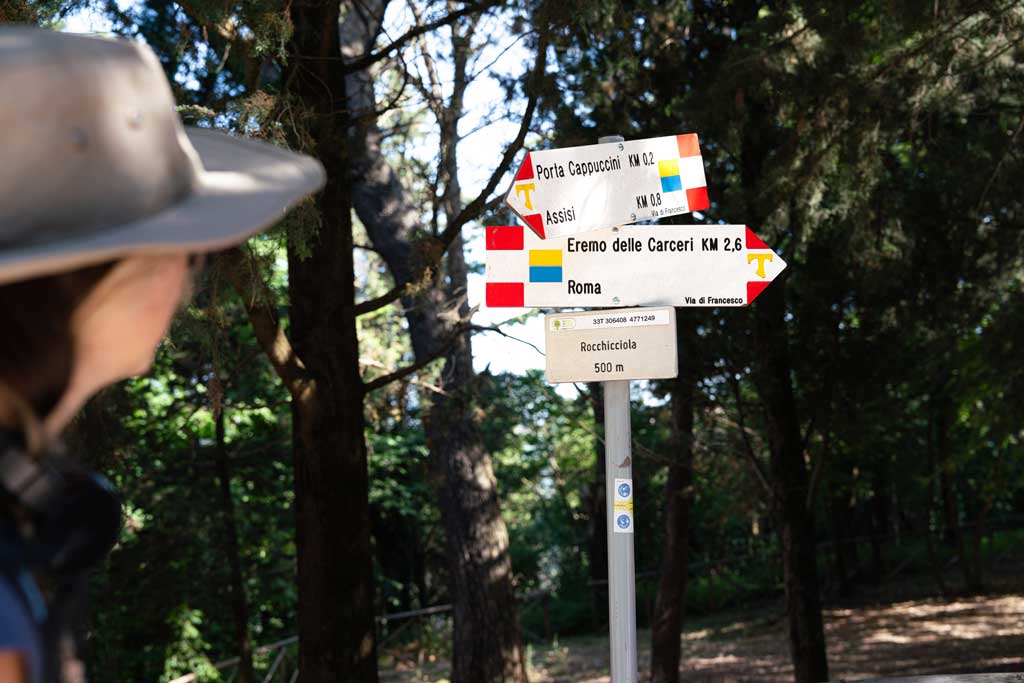
We often travel in search of something familiar: a beautiful landscape, a particular atmosphere, an experience that resembles what we've imagined.
But meaningful travel sometimes begins when reality doesn't match our expectations.
Perhaps the countryside looks different from the photographs. Perhaps a local tradition surprises you, or you encounter a way of life that feels very far removed from your own.
Instead of immediately deciding whether you like something, try becoming curious about it.
Why do people here live this way? What has shaped this landscape? What does this place mean to those who call it home?
Walking offers a particularly intimate perspective on these questions.
You don't simply arrive at a destination. You experience the gradual transitions between places: the changing architecture, the different crops in the fields, the sounds of village life, the subtle ways in which one landscape becomes another.
You begin to notice that places aren't isolated attractions. They're living environments, shaped by history, geography and the people who inhabit them.
And the more closely you pay attention, the more complicated — and interesting — your first impressions become.
Think back to a journey you remember particularly well.
Chances are, at least one of your favourite memories involves another person.
Perhaps it was someone who gave you directions, a hotel owner who shared a story, or a stranger who recommended something you would never have discovered on your own.
These encounters are part of what makes travelling meaningful.
And when you explore on foot, you're often moving at a pace that makes them more likely.
You have time to greet someone as you pass, exchange a few words at a café or ask a question about something you've noticed.
Of course, not every encounter will become a memorable conversation. Sometimes there will be a language barrier, or simply a moment when someone is busy going about their day.
The point isn't to force a connection.
It's to remain open to one.
A thought from the SloWays team: Learn a few words in the local language before you travel. Even a simple greeting or thank you can be a small gesture of respect and an invitation to connect.
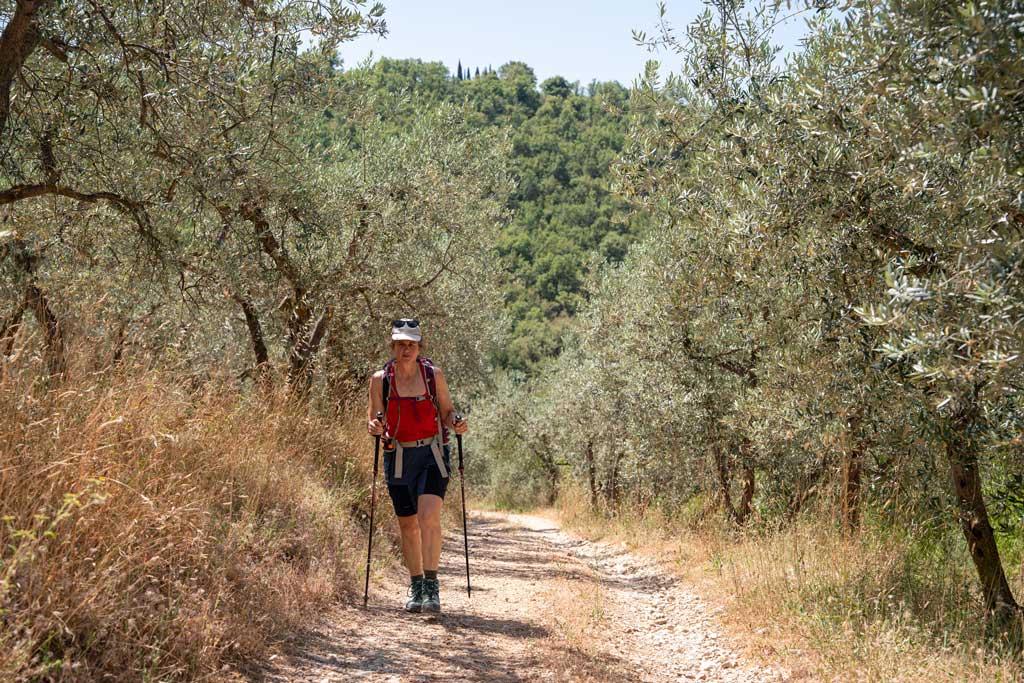
Not every meaningful travel experience is immediately comfortable.
You might feel awkward ordering food in a language you don't speak, uncertain about an unfamiliar custom or slightly out of place somewhere that operates according to different rhythms.
These moments can be frustrating.
But they can also teach us something about the habits and assumptions we carry with us.
When everything around us feels familiar, it's easy to forget that our way of doing things is only one possibility among many.
Travelling introduces us to alternatives.
And sometimes, being a little uncomfortable is simply part of learning to see the world from another perspective.
That doesn't mean ignoring your limits or putting yourself in unsafe situations. Being open to unfamiliar experiences is not the same as taking unnecessary risks.
It means allowing yourself to be surprised, accepting that you won't always understand everything immediately and resisting the temptation to judge what you encounter too quickly.
A little uncertainty can be an invitation to curiosity.
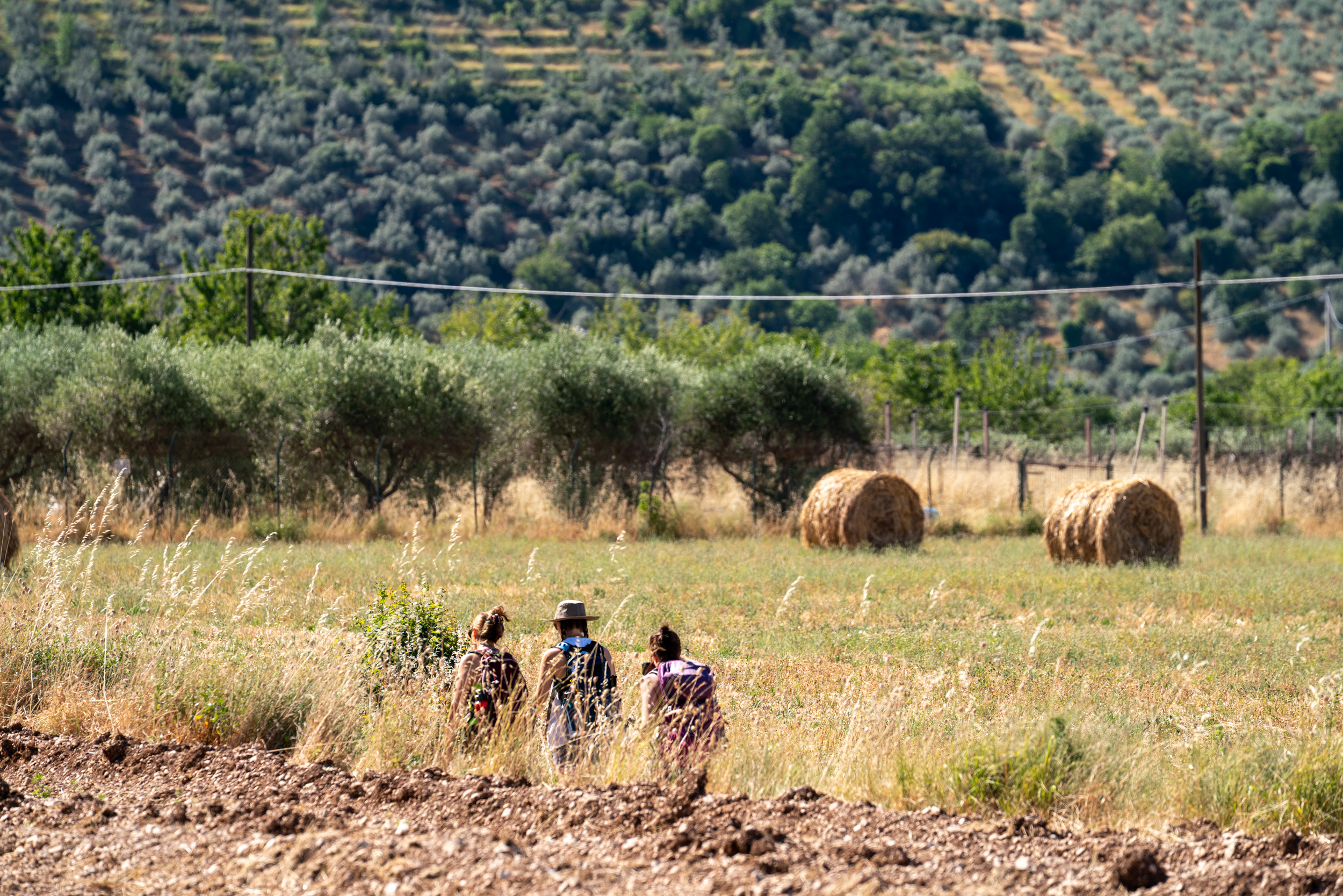
One of the most interesting things about travelling on foot is that transformation rarely announces itself.
There may not be a single extraordinary moment when everything suddenly makes sense.
Instead, change happens gradually.
You begin to notice details you might otherwise have overlooked. You become more comfortable with silence. You stop checking the time quite so often. You discover that a day can feel wonderfully full even when you've done very little beyond walking, eating and observing.
And perhaps, somewhere along the way, you begin to notice changes in yourself.
Maybe you're more patient than you thought. More curious. More comfortable with uncertainty. More willing to speak to someone you don't know.
Walking creates the space for these discoveries, not because every journey needs to be life-changing, but because it gives us the opportunity to pay attention.
A thought from the SloWays team: At the end of each walking day, ask yourself what surprised you. Not what you saw or how far you walked, but what you hadn't expected to notice, feel or discover.
You might be surprised by the answers.
You don't need a complicated philosophy to travel more deeply. Sometimes, a few small changes in attitude are enough.
We often think of travel as something with a clear beginning and end.
We leave home, explore somewhere new and eventually return to our everyday lives.
But the most meaningful journeys have a way of continuing long after we've unpacked.
A conversation comes back to mind. A landscape changes the way we look at our surroundings. A small experience makes us reconsider something we once took for granted.
And perhaps that's what it really means to travel deeply.
Not simply to collect new places, but to let those places become part of the way we see the world.
At SloWays, we believe that travelling on foot creates a special opportunity for this kind of connection. Our self-guided holidays give you the freedom to discover destinations at your own pace, with carefully planned itineraries and the reassurance of our support along the way.
We take care of the practical details so you can give your attention to what can't be planned: the encounters, the discoveries and the moments that make a journey your own.
Ready to discover what a journey can leave with you? Explore our self-guided walking holidays and find your next adventure.
Written by the SloWays Team
 Nominee Best Specialist Tour Operator 2026


